
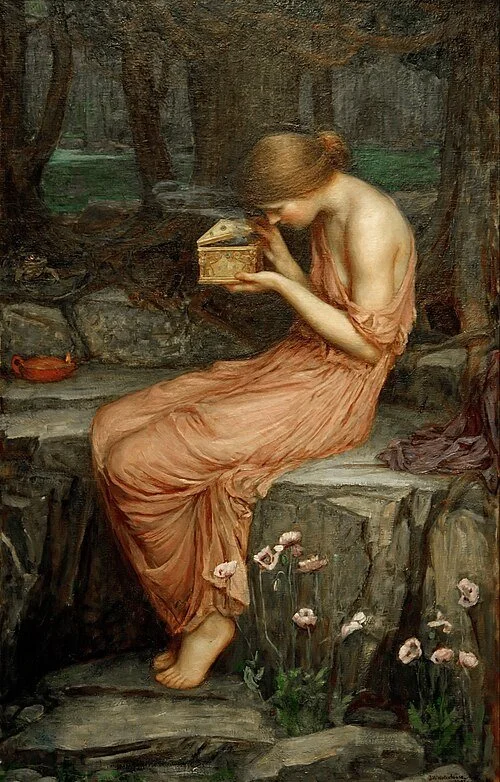
Is Philosophy a 4-Letter Word?
Many people hear the word "philosophy" and their eyes glaze over. And honestly? That makes sense. If what comes to mind is a stuffy academic discipline made up of dense arguments and obscure language — the kind of sentences that require a dictionary just to reach the end — then of course the eyes glaze over. Who wants that?
That version of philosophy, the one that puts most of us to sleep, isn't really what philosophy was meant to be. And it isn't what philosophical counseling is.
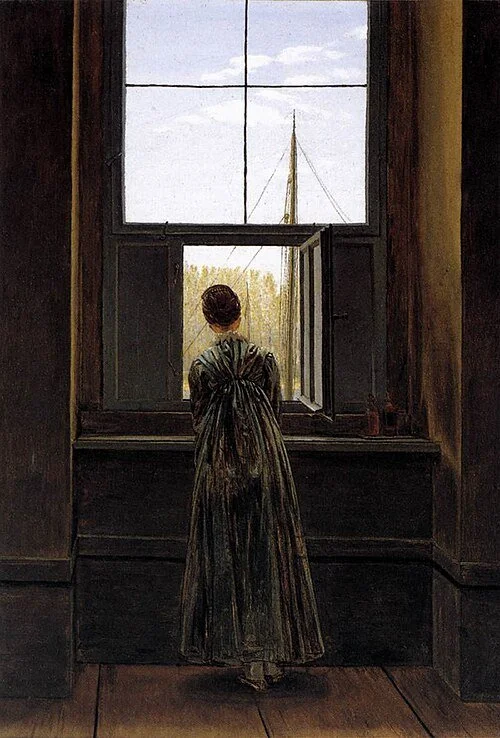
Giving Birth to What You Already Know: A Philosophical Counseling Perspective
When the words you're searching for stay just out of reach, philosophical counseling offers something therapy and coaching don't: sustained dialogue that helps you hear yourself clearly.
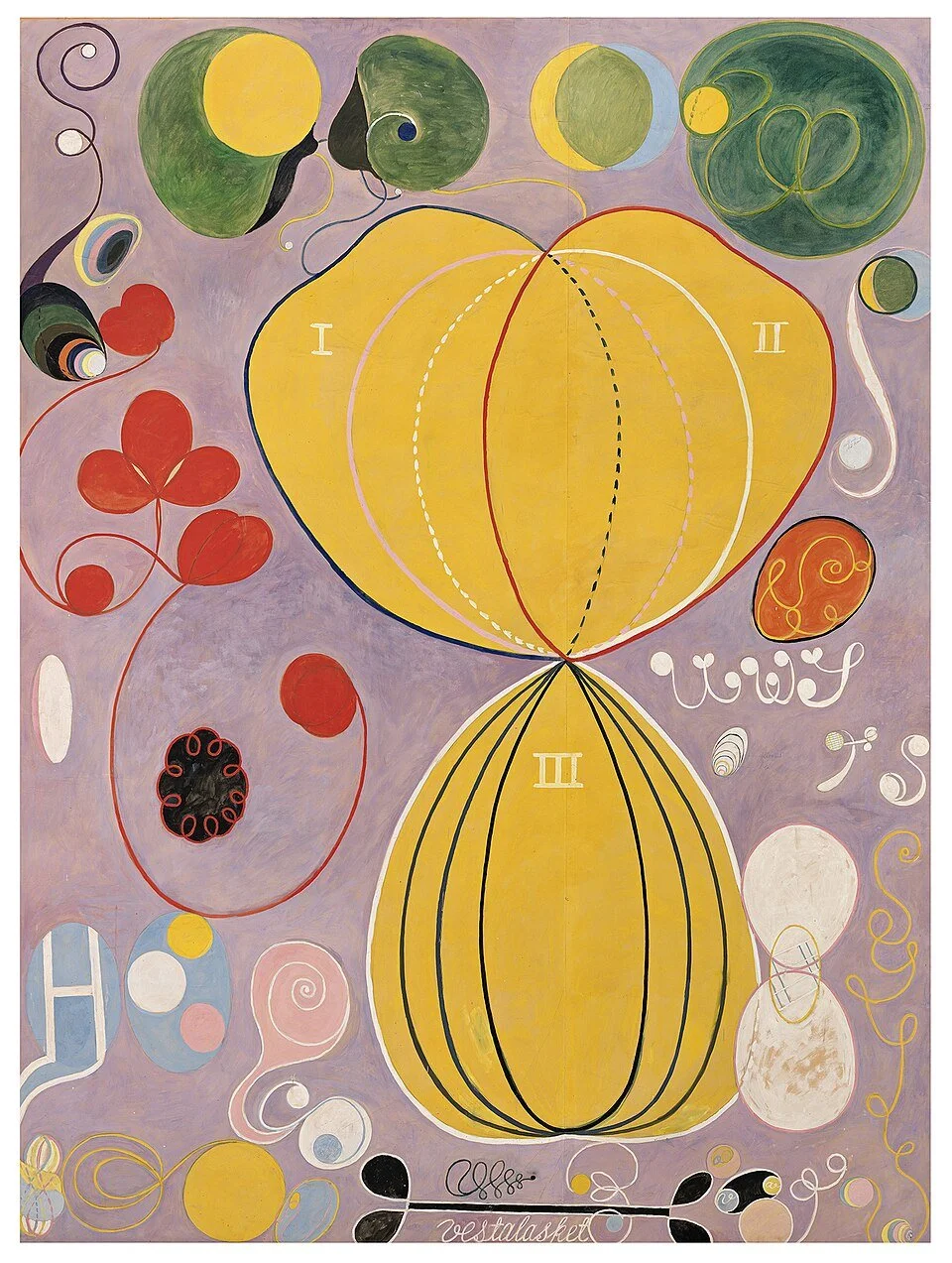
The Thermostat You Can't Override: An Alternative to Therapy for When Nothing Feels Broken
"Your body maintains 98.6 degrees without a single thought from you. What if your deepest questions already know their answers—if you'd just stop interfering?"
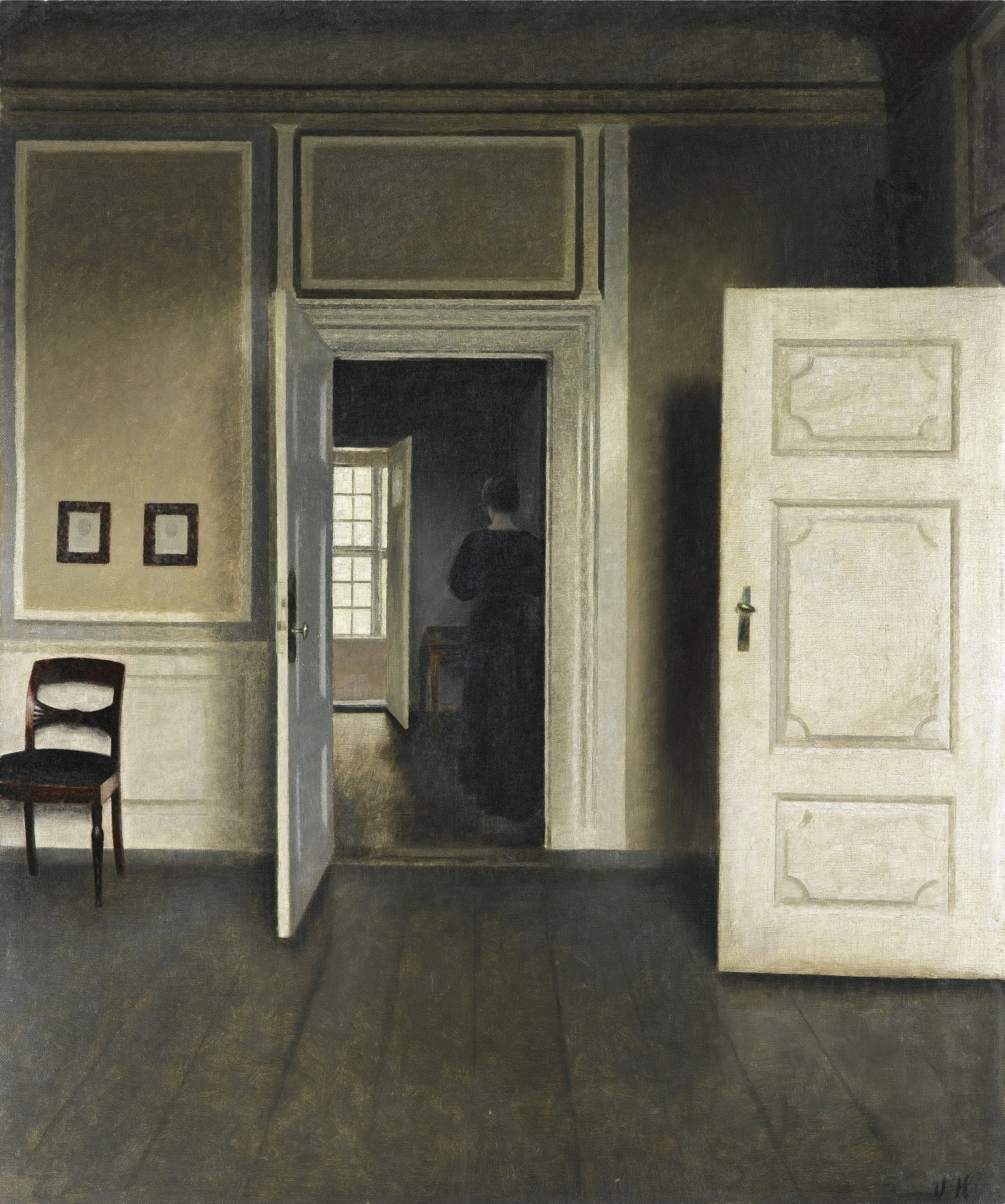
Circling and Transformational Connection: Learning to Pay Attention Together
Circling and Transformational Connection: Learning to Pay Attention Together
The practice does not promise resolutions or answers. It offers a way of paying attention together that gradually changes how experience is met. One of the quieter signs that it is having an effect is a shift in what feels important. Managing impressions loses some of its urgency. Being in contact with what is actually happening takes precedence. From there, life does not suddenly become simpler, but it often becomes more direct. Conversations unfold differently. Relationships adjust. Inner tension loosens in small, cumulative ways that continue to reveal themselves long after the practice has ended.
Authentic Relating: Learning to Stay With Ourselves While We’re With Others
Authentic Relating works by shifting how people meet experience, not by fixing behavior. Because the practices happen in live interaction, relationships begin to function as mirrors. Habits that stay hidden in daily life become visible and conscious. A person can feel where they disappear, where they push, where they tense, where they lean away from uncertainty or judgment. This feedback does not arrive as analysis. It arrives through contact.
When the Map Becomes the Territory
You're making tea. You pour hot water over the leaves. Steam rises. The color begins to change. You lift the cup and taste the warmth, the bitterness, the subtle sweetness underneath. That's direct experience.
Then you might think, "This is good tea" or "This reminds me of the tea ceremony I attended" or "This is helping me be more present." Those thoughts aren't the experience. They're commentary about the experience. The menu describing the meal, not the meal itself.
The same thing happens with spiritual experiences. Something opens. You have a direct, immediate experience of clarity or connection or presence. Then the storytelling begins. "I had an awakening. I experienced my true nature. This confirms what the teaching says."
These stories aren't wrong. But they're not the experience itself. And when you start living in the story instead of staying present to direct experience as it unfolds, that's when the map replaces the territory.
What if you recalled a moment of genuine spiritual clarity and described it without using any spiritual language at all? What actually happened? What did you notice in your body? What shifted in your perception? The raw experience before the interpretation often reveals something we've been missing.
When the Couch Isn't the Answer: Understanding the Difference Between Psychotherapy and Philosophical Guidance
Perhaps you've already spent years in therapy. Maybe it helped with some things: managing anxiety, understanding family patterns, developing coping strategies. But something essential remains unaddressed. The deeper questions about who you are and how to live well keep circulating beneath the surface, unanswered and perhaps even unasked. You sense there might be a different kind of conversation you need to have, but you don't know what to call it or where to find it.
What if the restlessness you feel, the persistent questions about meaning and authenticity, the sense that something profound is missing, what if these aren't symptoms of a disorder requiring treatment, but rather your soul's intelligence calling you toward a different kind of exploration altogether?
When Goals Aren't the Answer: Why Philosophical Guidance Offers What Coaching Cannot
Coaching typically operates from a future-oriented framework. You identify where you want to be, create a roadmap to get there, and work systematically toward that predetermined destination. It's like planning a trip with a specific endpoint in mind—efficient, measurable, strategic. Coaches excel at helping you clarify goals, overcome obstacles, and maintain accountability. They're your strategic partners in achievement.
Philosophical guidance works differently. Instead of starting with where you want to go, we begin with where you actually are—right here, right now, in this moment. We explore what's presenting itself in your immediate experience, like examining the water you're currently swimming in rather than focusing on the distant shore.
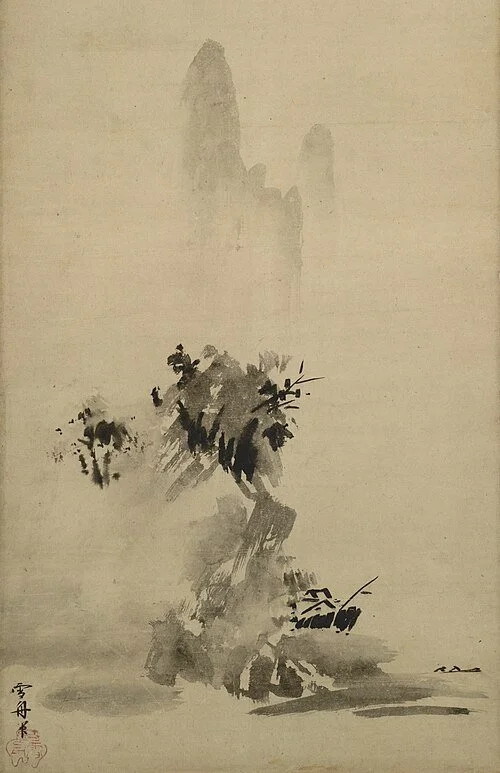
Going Beyond
While stored memories, knowledge, and emotions may be useful, they may also not serve us in this moment at all. Since things are in constant motion, the examination of static associations must be done in the moment, in coordination with how things are presenting themselves right now in the shape they are taking. But, if we resist and are instead identified with them only as we remember them or want them to be, we cannot be aware of them as they present themselves. So, if they are different right now from how we remembered them—and they are—we can become confused, because what they are now versus what we thought they were are at odds, which creates incoherence and muddies our ability to see what shapes are taking form in our experience here and now.
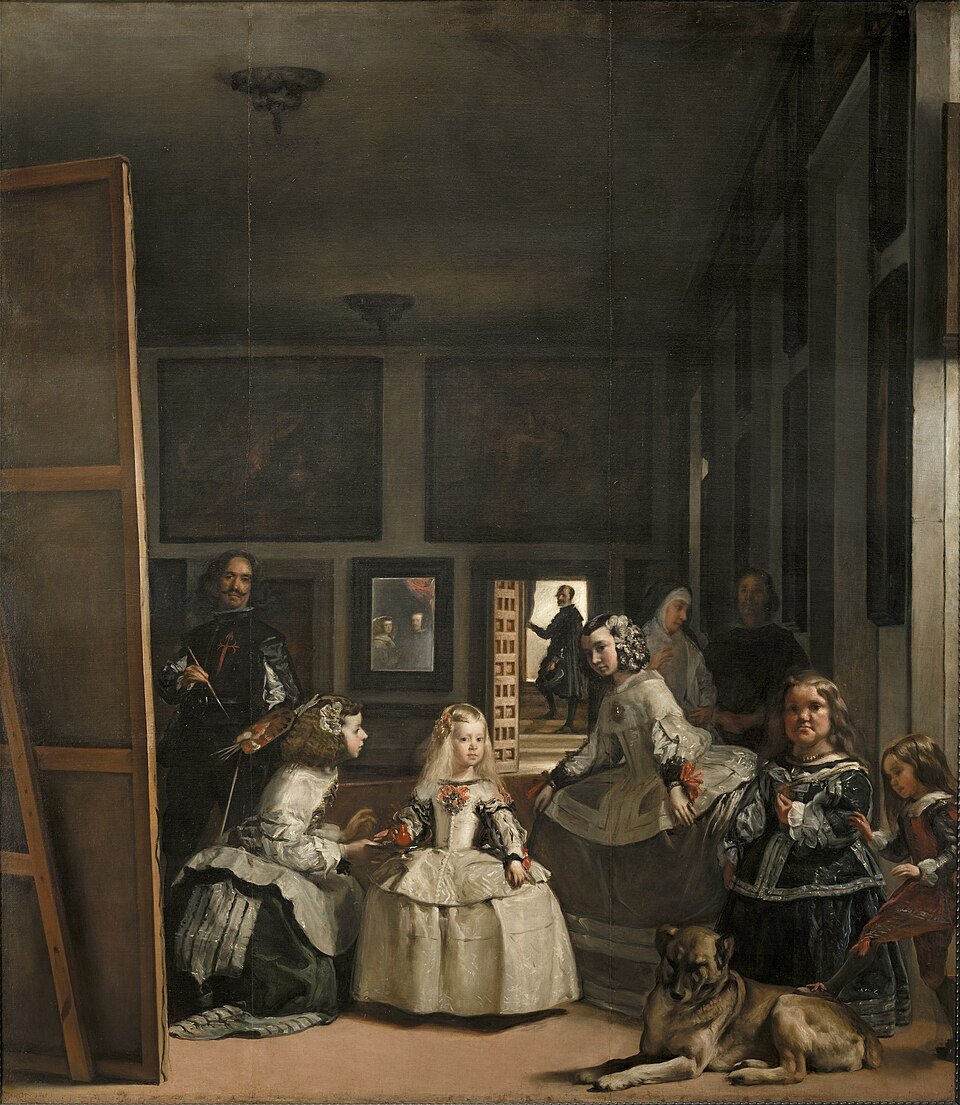
The Gathering
So perhaps dialogos is the act of us gathering together with reality as it is moving right here-and-now, revealing its comprehensible order, its inner-pattern, as we meet it with what we are, right then and there. Perhaps dialogue is this full participation of the whole being moving with the ordering of reality as it presents itself in its elusive, mysterious movement. Perhaps it is to participate in reality’s dynamic unfolding.
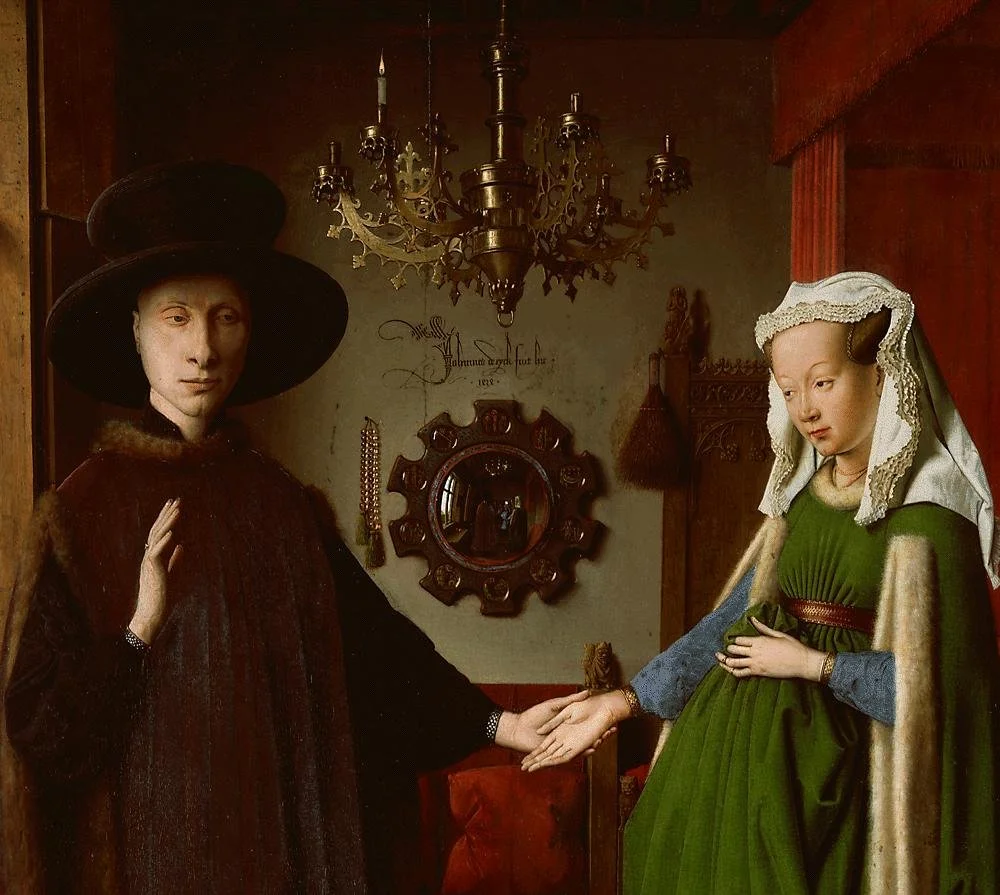
The Philosophical Counselor as Living Mirror
The essence of philosophical counseling begins with the living mirror. The counselor, as a living mirror, helps the client see themselves—not as the counselor wishes them to be, not according to the counselor’s idea of right, not according to the counselor’s favorite theory, but as they truly are, so the client can glimpse into their life, thoughts, beliefs, perhaps even their soul—perhaps for the first time.
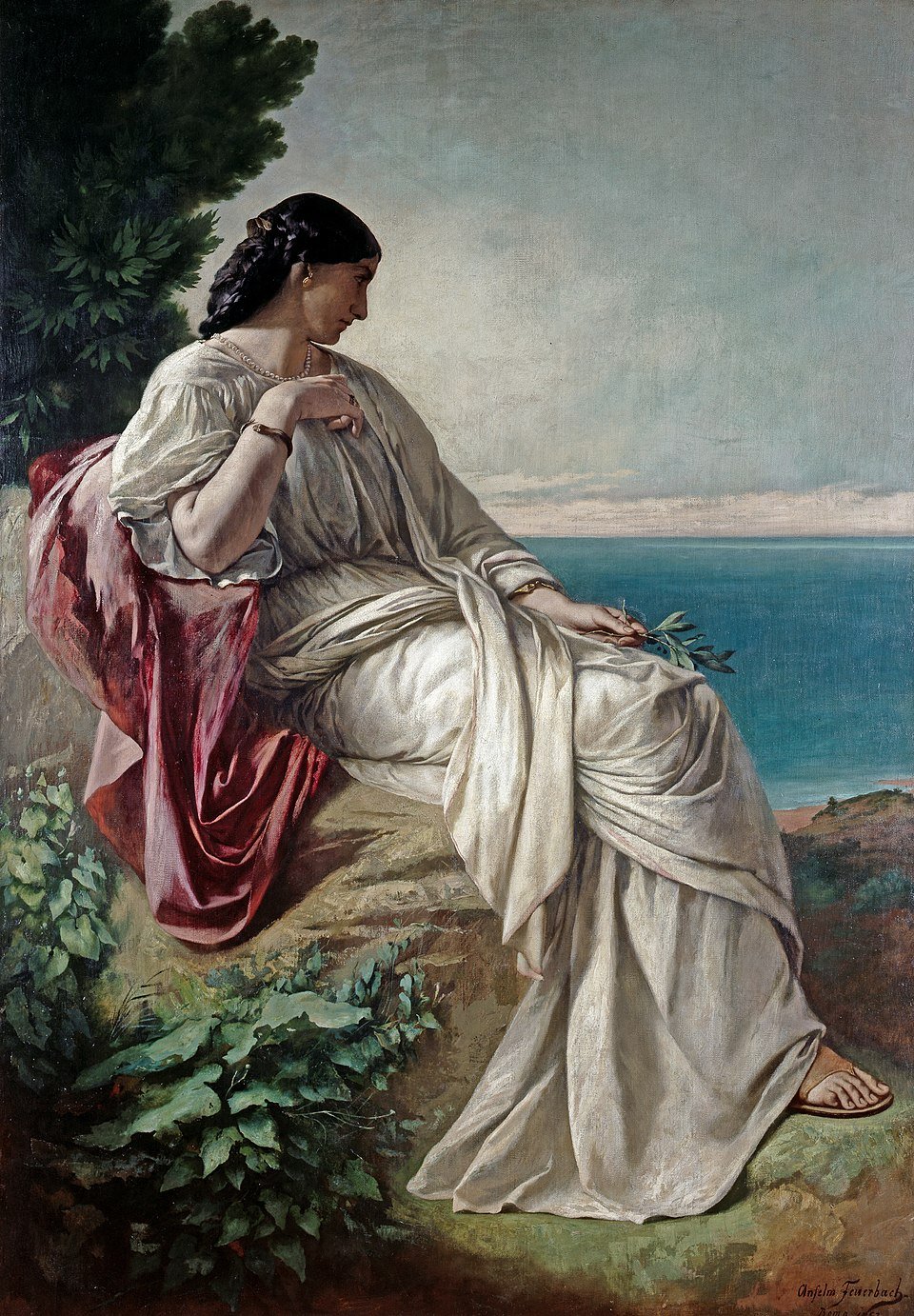
Coming to Know Thyself Through a Living Mirror
The reflection of you in the living mirror is the starting point of philosophical counseling. In this process, you have a trained professional who through attentive listening, and gentle guidance of dialogue and inquiry, is there to help you see yourself, as you are, to help you see your sensations, see your stories, see the connections you make between them, not to get rid of them, but to truly see them, explore them, and through that observation, come to know your self as it comes into the light of your awareness shining in the living mirror of dialogue.
The Riches of Realization
The word “real” has been traced by some to the Vedic word “ram,” which means “resources” or “riches.” Perhaps a realization is full of riches, it is more than the corresponding thought, it is something that you can now see, can now experience, in your contact with reality, it is present to you. It is a gift from reality, this, your realization, this “-tion”, a suffix of an “action of reality” in which you take part, your participation breeds contact, and your contact, knowingness of the real and its vast riches and resources. And when it occurs, everything changes, because reality enters you as you enter it and then you can see with it, through it, in the moment. It is much more than an idea, it is a whole-being experience usually coupled with a sensation, sometimes a feeling of release, or surprise, or wonder, but it always changes you, and you are never the same again.

What is Philosophical Counseling?
So, what is the work? Most often it is a dialogue. A special kind where the counselor acts as a midwife for the ideas of your life. They are an assistant to your sacred process of coming to know your self, truly, deeply, as you are. They are there to help you find reality for your self, to be with you in the experience of the living reality of your self, moment-to-moment, and there to assist you in learning to move and inquire into that actual lived experience of your life, present, aware, curious, open, and engaged. They are there to help you stay with your self in the moment without narrowing in too much and without withdrawing from what is here, now, whether the experience is perceived as positive or negative. If you are successful you may just learn to experience pleasure as pleasure and suffering as suffering without attaching to it. Why would you do this? To become aware of the most precious gift, your Self and to see yourself as you truly are, to see the world as it is, and to see how you are relating to both.
The Work - Pathologos or the Limiting Frames of Our Self
Pierre defines pathologos as a “sick or false belief about the self.” It means an untrue belief we hold deep within ourelves about who and what we are. In my own terms, a pathologos is a false frame that a person limits their view of reality with. The pathologos is one key thing that limits us, most often without us realizing it as its origins are buried deep on the history of our life and identity.